
Delivery cost calculator
$1.50/mile · Estimate only
Details
Description
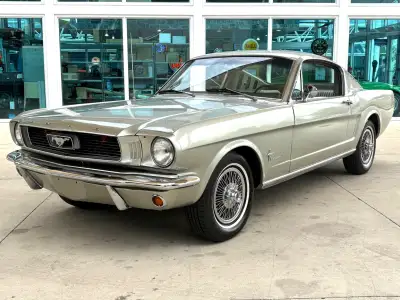
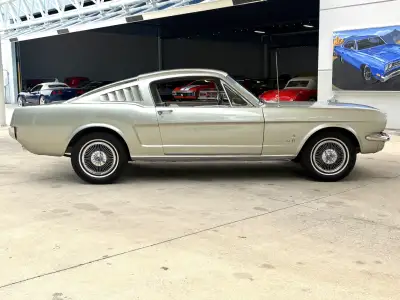
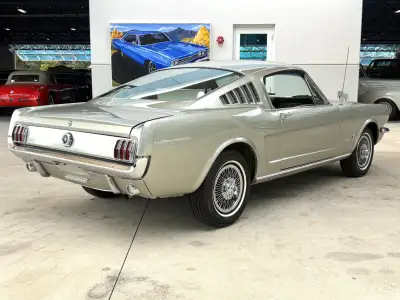
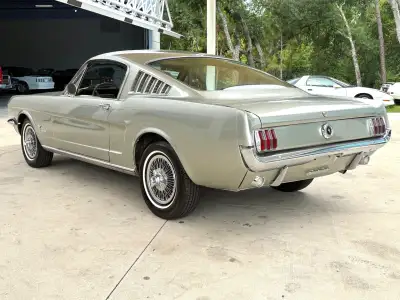
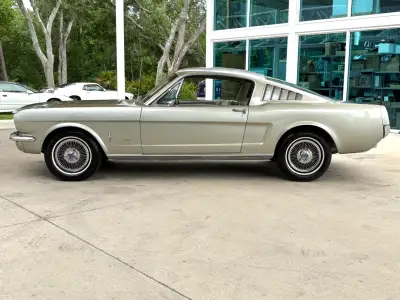
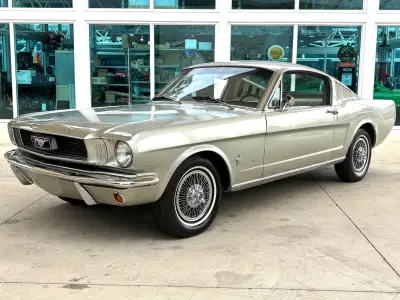
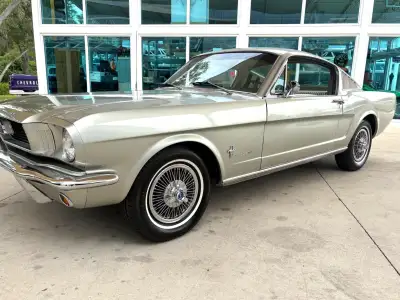
1966 Ford Mustang Fastback — Silver Frost, Full Gauge Cluster, Factory Six-Cylinder, Clean Original Driver
The 1966 Ford Mustang Fastback occupies a specific and well-earned place in American automotive history. By 1966, Ford had refined the first-generation Mustang formula after the explosive debut year of 1964-and-a-half, and the result was a more polished, better-equipped car that still carried the original proportions buyers had responded to so strongly. Ford sold over 607,000 Mustangs in the 1966 model year — the highest single-year production total the nameplate would see for decades — yet the fastback body style accounted for a notably smaller share of that total compared to the hardtop and convertible. The 2+2 roofline, with its long sweeping rear glass and functional C-pillar louvers, gave the fastback a visual character that the other body styles simply could not match.
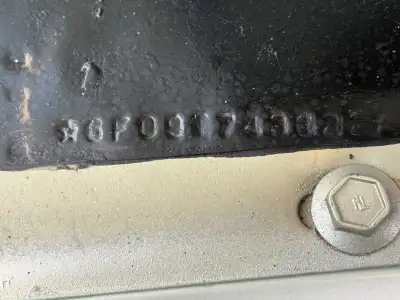
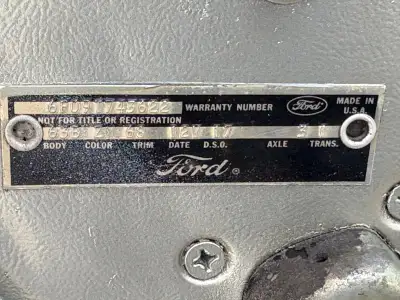
This particular 1966 Ford Mustang Fastback is finished in Silver Frost, a color that was new to the Mustang palette for 1966 and suits the fastback's lines particularly well. The car is equipped with the 200 cubic inch inline six-cylinder engine and a 3-speed manual transmission — the correct, honest drivetrain for a car of this specification. The VIN decodes to a Dearborn, Michigan assembly plant build, identifies the 2+2 fastback body style, and confirms the 200ci six-cylinder with manual transmission, all consistent with the options and features present on the car today. This is not a numbers-mismatched vehicle wearing a different identity. What you see is what left the factory.
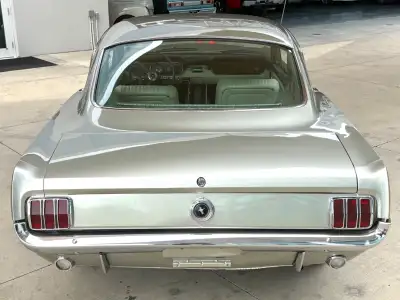
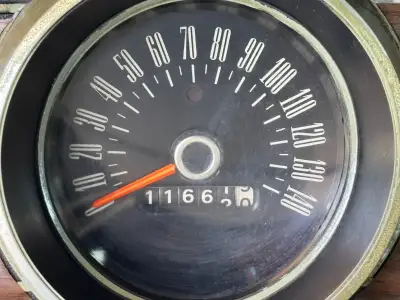
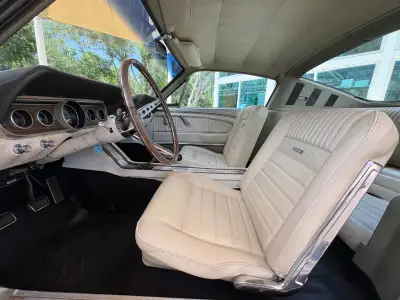
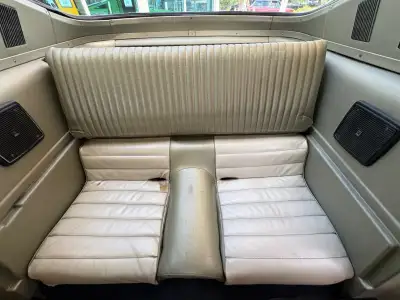
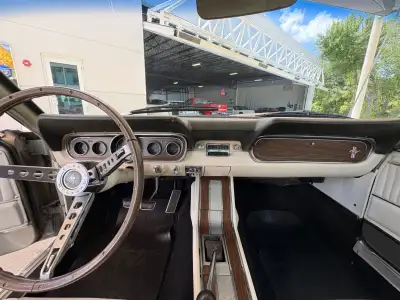
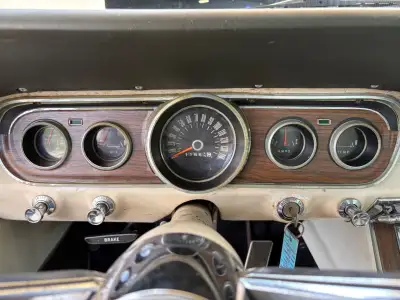
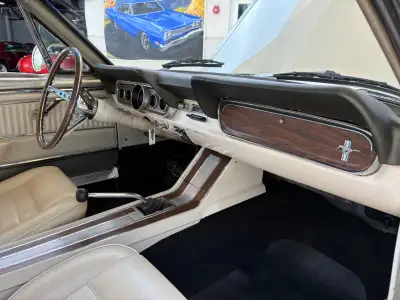
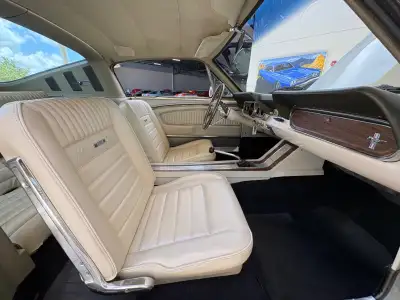
The interior presents the full gauge instrument cluster — a meaningful factory option that replaced the standard warning-light dashboard with actual instrumentation including fuel, oil pressure, ammeter, and temperature gauges. Combined with the wood-rim steering wheel, center console with floor shifter, and bucket seats, this 1966 Ford Mustang Fastback was ordered with the driver experience in mind. The fold-down rear seat, a fastback-specific feature, adds genuine utility to a body style that already stands out visually.
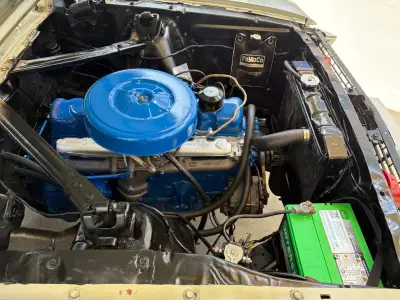
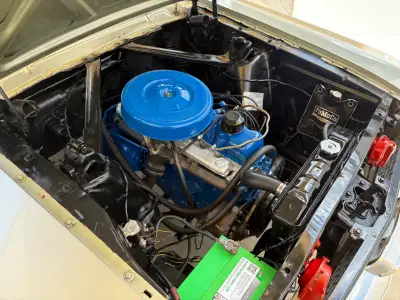
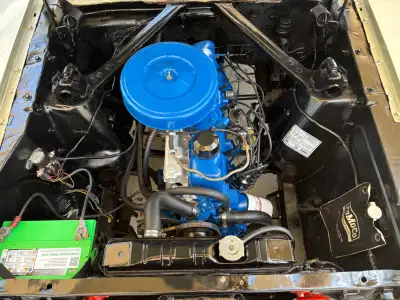
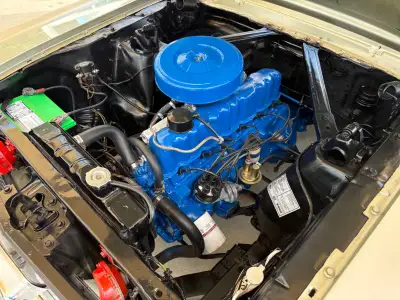
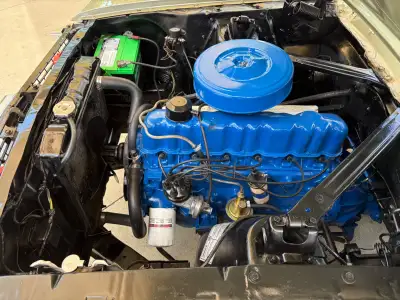
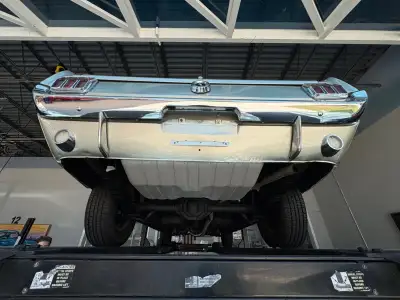
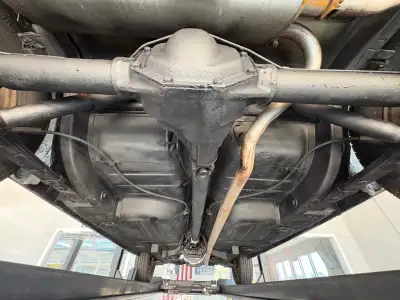
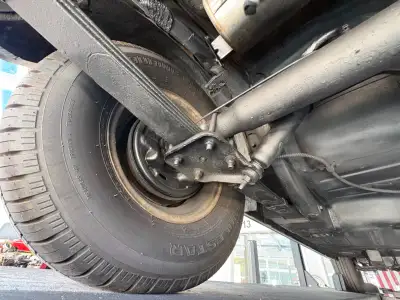
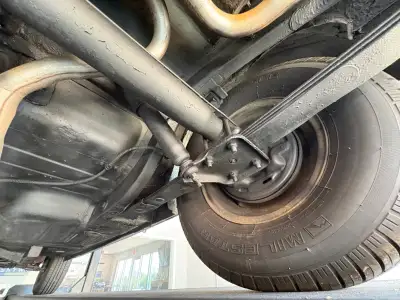
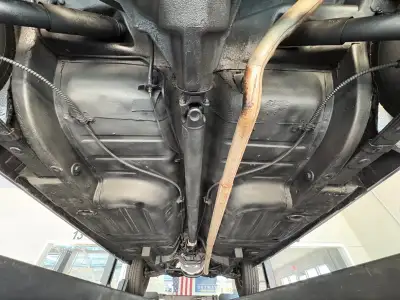
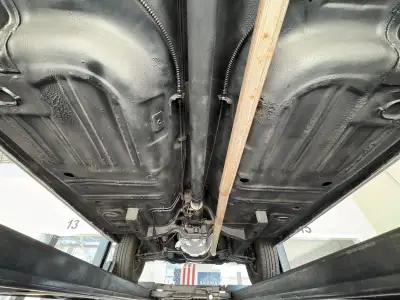
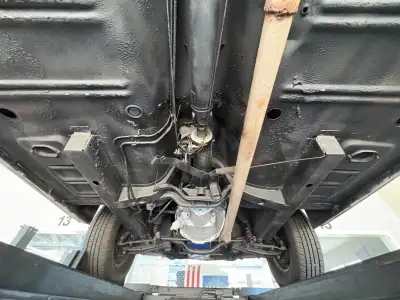
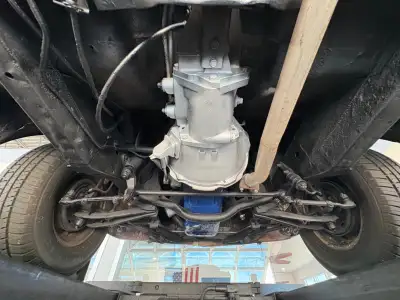
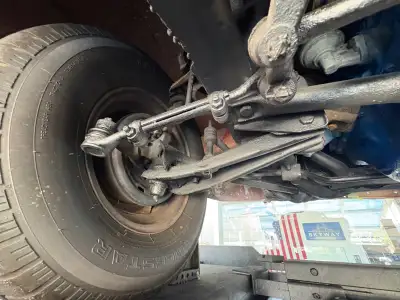
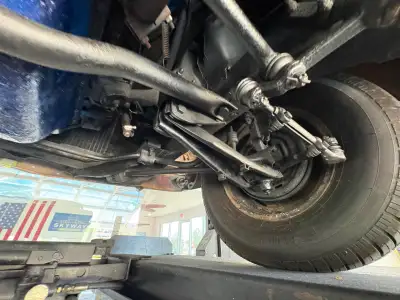
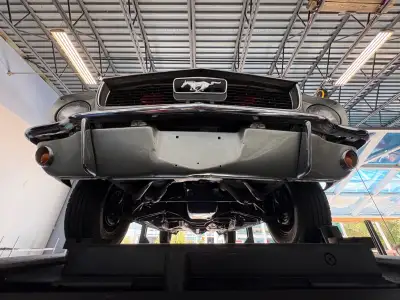
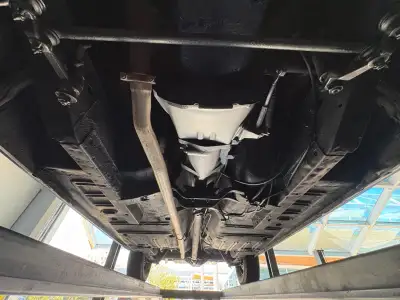
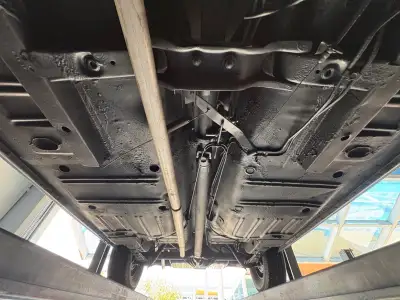
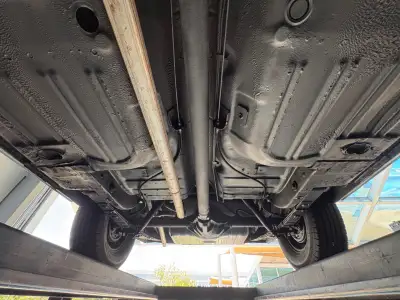
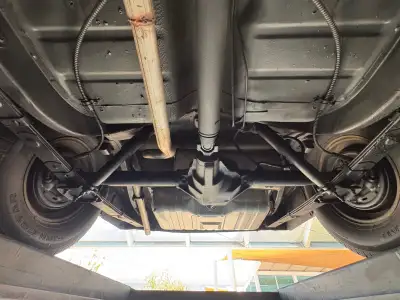
Underneath, the car shows a clean, solid undercarriage that is consistent with a well-preserved original vehicle rather than a freshly sprayed cosmetic cleanup. The engine bay retains its FoMoCo-branded components, which collectors and judges familiar with concours evaluation will recognize as an indicator of a car that has not been significantly altered or stripped of its factory identity.
Features List
- 200ci Inline 6-Cylinder engine, Dearborn-built, FoMoCo engine bay components intact
- 3-Speed Manual Transmission with floor shifter
- 2+2 Fastback body style
- Silver Frost exterior finish
- Parchment vinyl interior
- Full gauge instrument cluster (fuel, oil, amps, temp)
- Wood-rim steering wheel
- Bucket seats, front
- Center console with floor shifter
- Fold-down rear seat
- Rear seat speakers
- AM radio
- Wire wheel covers
- Whitewall tires
- Rocker moldings
- Chrome bumpers, front and rear
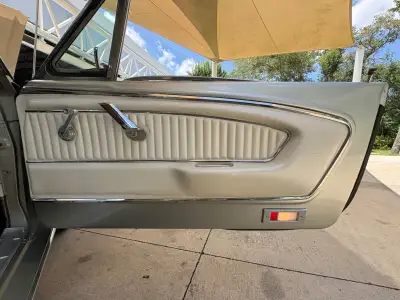
- Door courtesy lights
- Clean undercarriage
Mechanical
The 200 cubic inch inline six-cylinder was Ford's standard engine for the 1966 Mustang and was a competent, durable unit that became well-regarded for its longevity. It produced 120 horsepower from the factory and is known for smooth, linear power delivery and reliability. Paired with the 3-speed manual transmission and a floor shifter mounted in the center console, the driving experience is direct and straightforward — exactly what a car like this was designed to offer. There are no V8 pretensions here, and that is part of the appeal. Six-cylinder Mustangs of this generation are increasingly recognized by collectors as correct, original survivors in a market that has seen many drivetrains swapped out over the decades.
The engine bay retains its FoMoCo-branded components, including the correct valve cover and air cleaner presentation. The block is finished in Ford's corporate blue, consistent with factory specification. The undercarriage photographs tell the real story of this car's preservation: the floors, torque boxes, frame rails, and rear suspension components are all solid and free of the patched or heavily treated metal that signals prior rust repair. The leaf spring rear suspension, control arm front suspension, and exhaust routing are all intact and correct. This is a car you can put on a lift and inspect with confidence.
Interior
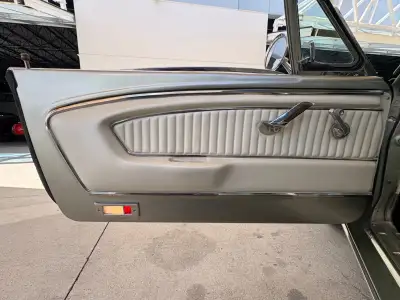
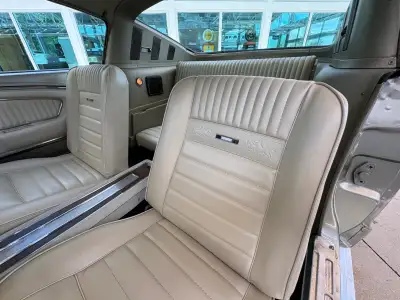
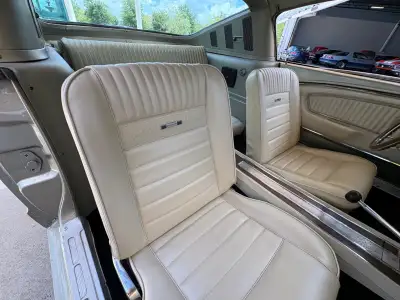
The 1966 Ford Mustang Fastback interior on this car is trimmed in parchment vinyl, which pairs well with the Silver Frost exterior. The bucket seats are the correct style for the 2+2, with the embossed running horse medallion on the seatback — a detail that owners familiar with these cars will immediately recognize as correct. The front seats show honest age and wear consistent with a car of this vintage, while the rear fold-down seat cushion shows some wear to the vinyl. The rear seat area includes factory-installed rear speakers on both sides, which were a factory option for 1966 and are period-correct to the car.
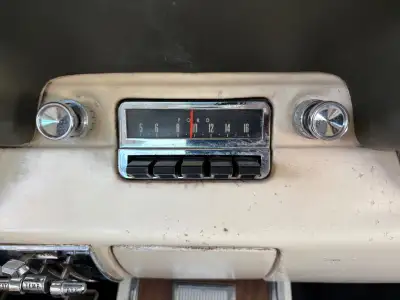
The center console runs the full length of the cabin floor and houses the floor shifter for the 3-speed manual. The wood-grain trim on the console and dashboard is characteristic of the 1966 model year, when Ford introduced this detail as part of the Interior Decor Group. The instrument cluster is the full gauge setup — five round dials set into a woodgrain-trimmed bezel — rather than the basic warning light panel. Having this cluster on a six-cylinder car means the buyer specifically requested it at the time of purchase, which adds to the history of how this car was configured. The AM radio is the factory Ford-branded unit, still in place in the dash. Door courtesy lights are present on both doors. The headliner and sail panel trim are intact and correct for the fastback body style, with the characteristic rear quarter louver trim pieces in place.
Exterior
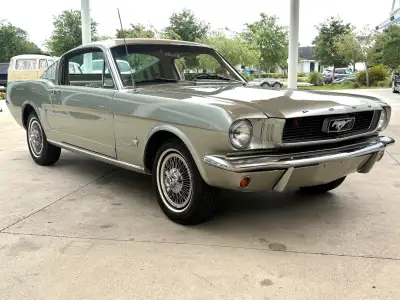
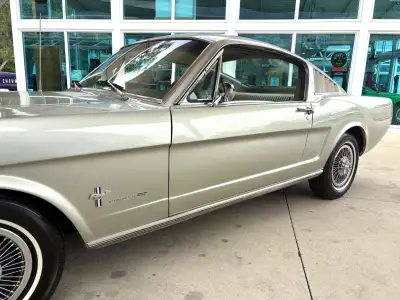
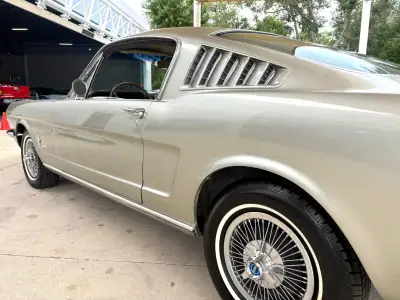
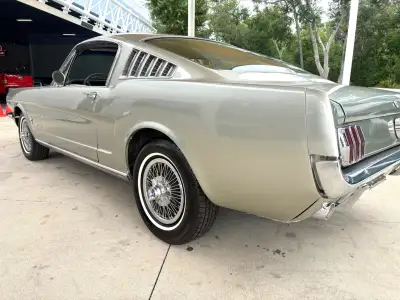
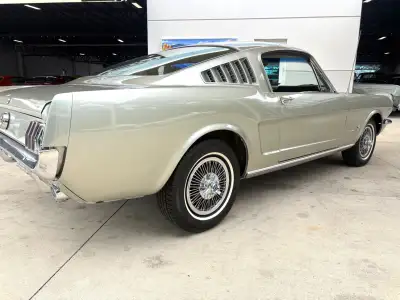
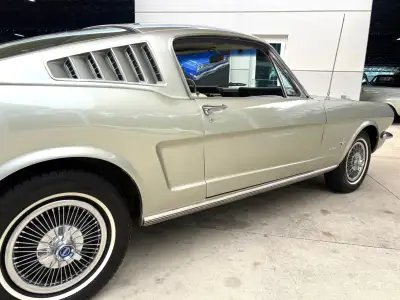
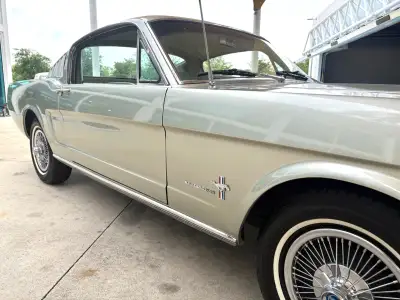
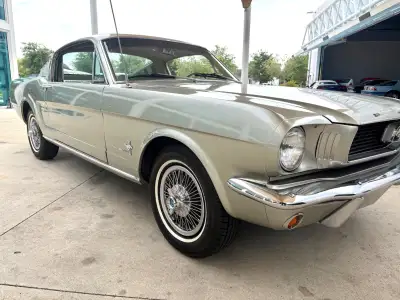
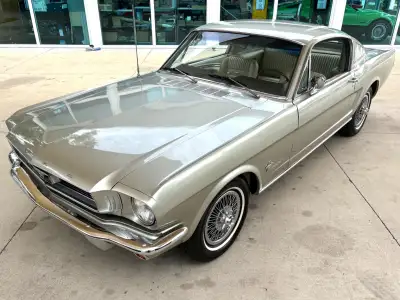
Silver Frost was introduced as a 1966 Mustang color and has a cool, neutral quality that reads differently in different lighting — more silver in direct sun, with a slightly warm undertone in shade. The fastback roofline is the defining visual element of this body style. The long, nearly flat rear greenhouse glass, the C-pillar louvers, and the pronounced rear haunches give the 1966 Ford Mustang Fastback a proportional balance that the hardtop does not have. It is a more purposeful shape, and the market has consistently reflected that preference.
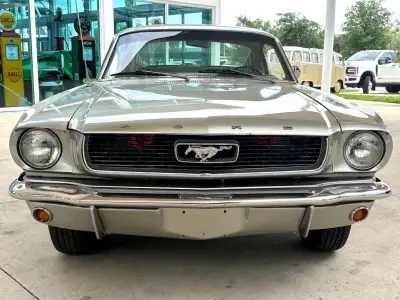
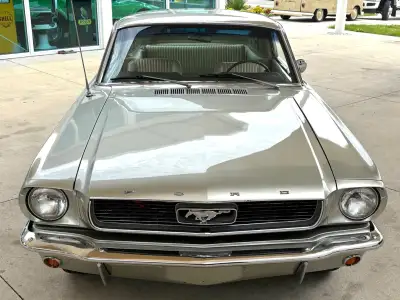
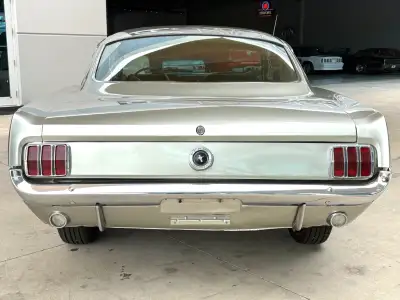
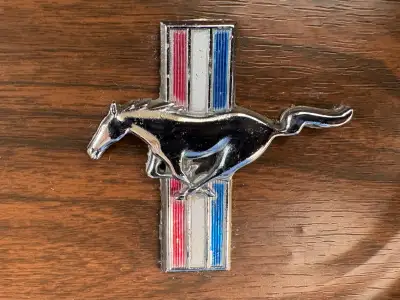
Chrome bumpers are present front and rear, with the correct pony-in-corral grille badge centered in the front grille. Rocker moldings run along the lower body on both sides. Wire wheel covers dress the wheels with a period-appropriate appearance. Whitewall tires complete the look in a way that is appropriate for a car of this specification — not a performance build, but a well-equipped, style-conscious daily driver from 1966. The rear panel presents the sequential-style tri-bar taillights, which are one of the most identifiable design elements of the first-generation Mustang, framed by the correct chrome rear bumper.